
Yesterday I spent some time talking to a sales engineer about how the new Polycom RMX bridge works. What I was most interested in is how the dialing works. The Codian and TANDBERG bridges use some variation of dialing and conference numbers depending on how they are configured. The new RMX is set up that way too. Polycom calls it an “ad hoc” conference bridge, although it can be work in a “scheduled environment” when installed with the ReadiManager SE 200. This means the only bridge left that allows “direct inward internet dialing” (i.e. call an IP address and get dropped into the right conference) is the Polycom MGC. Please correct me if I’m wrong by commenting below. And if you’re reading this post, please check the comments for the full picture with potentially differing opinions!
Industry Trends
What I found intriguing to this conversation is the general trend of the videoconferencing industry. A shift is happening from a centralized manager doing all the scheduling (a scheduled environment) to end users able to dial into the MCU/bridge and voila! their conference starts (ad hoc).
I think the other reason for this trend is a concern on the part of some vendors and security people regarding IP address dialing. My sense from reading the Megaconference listserv is that the education market isn’t too worried about this. But someone is, because I’m starting to hear from vendors that dialing IP addresses is a terrible thing. As that message gets to schools that don’t know any better, they’ll install solutions that create islands and difficult dialing.
Dialing History
We used to have ISDN numbers to dial, and they usually worked unless a 700 area code was involved. Then we had IP addresses, and many of us are pretty attached to that method of dialing. The new way is IP plus conference number or extension in some form. And some of us are having trouble adjusting to that. I’ve been fighting it and muttering about it for three years! (see GDS Dialing, Dialing Insanity, Problems in K12 Dialing, etc. etc.)
Weird Dialing is Here; Now What?
Now that I realize the major players in the industry are all starting to use this IP plus conference/extension number dialing, I know I have to adjust my brain to it. Time to stop muttering. Time to instead think of solutions. So I’m starting to brainstorm some possible ways that we can help each other connect to each other. I’ve learned a few things already that I’ll share here now:
- Gatekeepers strip off the ##extension if you try to dial IP ## extension. I thought it was just my Tandberg gatekeeper up till yesterday when I learned the Polycom V2IU does it too. Instead, the recommended method is to add extension@IP address to your address book and dial that way. This extension@IP address is called an NXO dial string.
- Let’s say you’re trying to get a Tandberg endpoint to dial an IP ## extension to connect to a unit behind a Polycom V2IU. Make sure the V2IU is on the latest version. On the latest version you can use a feature called digit manipulation. The Tandberg can dial a * instead of a # and it will still connect.
I have a few other ideas simmering, so stay tuned. If you have any other ideas on how we can collaborate to make dialing each other less frustrating, please comment below. If you have any corrections to my notes here, please comment too!

 This afternoon we have several classes participating in two sessions of ASK with author Jim Stovall on his book

 Daylight savings time changes on Sunday in the U.S.! Did you remember?
 Today we have a kindergarten class participating in
 This afternoon, students from Calvin Britain Elementary, Benton Harbor, are doing their first videoconference and presenting a series of skits and songs for other students in our county. The focus is on Black inventors from the past, particularly those from the 20th century.
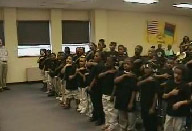 The students then all sang the song, We Shall Overcome, including actions to the song.
 This week and next we have several schools participating in the
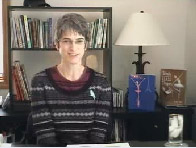
 Students got to see both the draft of the writing as well as the draft of the drawings. This ASK program was unique in that Amy Young is both the author and the illustrator, so students could see the process from both perspectives.
 Amy also had a pair of Belinda’s shoes, which was really cool! The students were very impressed.
 Today I have two classes participating in
 There were 8 interactive schools, but the majority of the session was questions, so we were able to ask about 4 questions.