
 Lit Review: This is a post in a series focusing on the research studies on videoconferencing.
Arnold, T., Cayley, S., & Griffith, M. (2004). Videoconferencing in the classroom: Communications technology across the curriculum. In T. Arnold (Eds.). Available from http://www.global-leap.com/casestudies/book2/index.htm
Summary: This book of 97 pages is still one of the best resources for an overview to videoconferencing and how to use it in the classroom/curriculum. Authors include Mike Griffith, of Global Leap fame. It was originally published in 2002 and was updated in 2004.
The first chapter reviews the components of videoconferencing and provides suggestions and guidelines on purchasing equipment. This of course is a little dated, with ISDN still listed first, and concerns expressed about the quality of videoconferencing over the regular Internet. These problems aren’t as much of an issue as they were in 2004 and earlier.
The Getting Started section has suggestions for setting up, getting training, and some introductory videoconferences just like Cheryl is offering for her schools. There are step by step guidelines for making your first exploratory sessions a success.
The next section has extensive detail on how to plan for “the use of videoconferencing across the curriculum.” For each major curriculum area, there are a plethora of ideas for collaborations as well as connecting to experts. Non-UK readers will need to translate the references to the Key Stages.
The next section gives a detailed overview of the Global Leap website and the resources and tools found there for subscribing schools.
Section E has detailed information on preparing for the videoconference, including a nice list of best practice tips. Section F goes into further detail on videoconferencing technology and all the options and choices, followed by a detailed glossary.
The authors reflect on the future of videoconferencing in Section H, with specific requirements that would be useful for vendors hoping to improve their products for educational videoconferencing.
Comments: If you’re new to videoconferencing, this book is a must read! Download it now and review it carefully. Even experienced VCers will find tips and tricks to make videoconferencing in the curriculum more effective.

 This morning Watervliet South Elementary is connecting to the
  life applications, like
  While this program did not have a hands-on component, the students were still engaged in answering questions and predicting what might happen in each of the demonstrations. The visuals were rich, and students gained a better understanding of the concept of magnets.
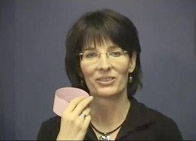 Anne, the presenter, does a great job of breaking the ice at the beginning. She has some neat management tricks as well. She asks the teacher (by name) to call on students to answer. She asks the students to take a deep breath and hold it… “OK, now that you’re listening, you can breathe out.” She has a great rapport with middle school students and helps them feel comfortable with the program.
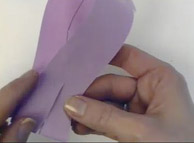 he program is built on hands-on activities done with strips of paper. Students fold, tape, predict what will happen, and draw on the shapes to test theories. Throughout the program, Anne asks the students to predict what will happen, asks them questions to probe their thinking, visualize what might happen if they cut in a specific place, and involves them fully. “I want everyone else to decide in your own mind what you think you will get.” Think time, and wait time are used judiciously throughout the program as well.


 I received word in my email this morning that


 Comments
 Practicing
 Challenge Choices:
